Fleet Vehicle Maintenance: Reducing Downtime and Repair Costs
Summary: Fleet vehicle body maintenance is a proactive strategy to reduce downtime, avoid repeat repairs, and control total cost of ownership. At Coon Rapids Collision, our Fleet Program Services cover comprehensive collision and body repairs, ADAS calibration, auto glass services, paint & refinishing, paintless dent repair (PDR), diagnostic scanning, and detailing. With priority scheduling, documented service histories, and coordinated towing through Hwy 10 Towing, plus rapid mechanical turnarounds from the veteran-owned McCoy Auto Repair, we keep your vehicles road-ready and your business moving.
Why Fleet Vehicle Body Maintenance Matters
Even minor body damage can sideline vehicles, trigger compliance issues, and shorten service life. Systematic inspections, timely cosmetic and structural repairs, and accurate calibrations ensure safety systems work as designed, protect resale value, and reduce lifecycle costs. When your fleet spends less time off the road, your operations stay on schedule and your customers stay happy.
What’s Included in Our Fleet Program
- Priority scheduling & quick turnarounds: Get vehicles back in service faster with streamlined intake, estimating, and repair phases.
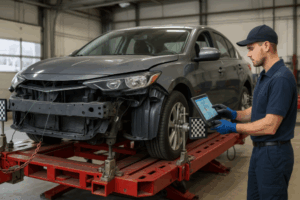
- Comprehensive body & paint repairs: From bumper scrapes to major collision repairs using OEM-aligned procedures and corrosion protection.
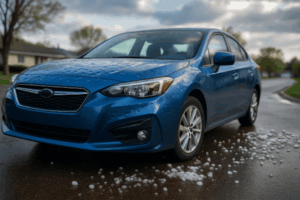
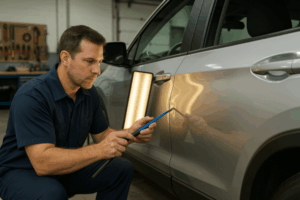
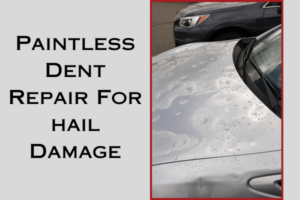
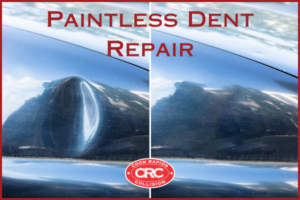
- Paintless Dent Repair (PDR): Fast, cost-effective repair for hail and door dings without repainting when conditions allow.
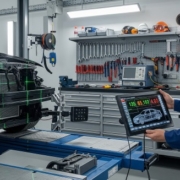
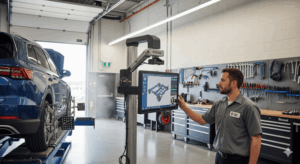
- ADAS calibration: Post-repair calibration for driver-assistance systems to keep safety features operating correctly.
- Auto glass services: Fleet windshield and glass repair/replacement with correct sensor and camera handling.
- Diagnostic scanning: Pre- and post-repair scans to identify, verify, and document electronic system health.
- Detailing & appearance care: Clean, professional presentation for brand consistency and driver satisfaction.
- Centralized records: Repair histories and documentation to support compliance and resale.
Explore the details on our Fleet Program Services page and the full list of Services.
How We Reduce Downtime and Control Costs
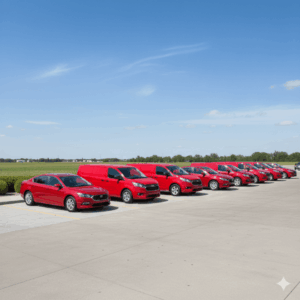
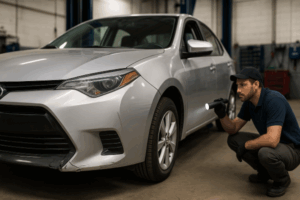
- Proactive inspections: Identify small issues before they become expensive failures.
- Right-sized repair plans: Match repair method to damage (e.g., PDR vs. refinish) to save time and budget.
- On-point logistics: We coordinate towing and mechanical repairs to minimize handoffs.
- Calibration & documentation: Correct ADAS calibration and complete records reduce comebacks and compliance risk.
- Standardized processes: Repeatable workflows, parts planning, and quality checks shorten cycle time.
Ready to set up a fleet intake? Contact our team.
Industries We Serve
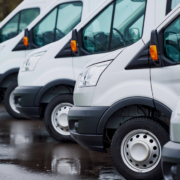
We support businesses, municipalities, and counties that operate light-duty trucks, vans, sedans, and specialty service vehicles. Whether you manage sales fleets, service vans, public works, or last-mile delivery, our fleet body maintenance program scales to your needs.
Program Advantages at a Glance
- Single point of contact and clear repair status updates
- Estimate accuracy and insurance coordination
- OEM-aligned repair methods and quality control
- Consistent pricing and predictable cycle times
- Detailed service histories to support audits and resale
Fleet Vehicle Body Maintenance — FAQs

How often should fleet vehicles receive body inspections?
We recommend visual body inspections at every service interval and a more thorough assessment quarterly or after any incident. Pair these with pre- and post-trip driver checks to catch new damage early.
What’s the difference between PDR and conventional body repair?
PDR restores minor dents from behind the panel without repainting when the paint surface is intact. Conventional repair is used for larger or creased damage and may involve filler, priming, and refinishing.
When do vehicles need ADAS calibration?
Any collision repair, windshield replacement, or work affecting cameras, radar, sensors, bumpers, or alignment can require calibration. We perform the correct static or dynamic calibration and document it.
How does documentation reduce my risk and costs?
Complete repair records support regulatory compliance, reduce repeat work, and protect resale value. They also help prove proper maintenance in claims or audits.
Can you coordinate towing and mechanical repairs?
Yes. We coordinate towing through Hwy 10 Towing and rapid mechanical repairs through the veteran-owned McCoy Auto Repair for a seamless turnaround.
Do you support pre- and post-repair diagnostic scans?
Yes. Scans verify fault codes before repairs and confirm system health afterward, reducing comebacks and ensuring safety systems function correctly.
How do you minimize vehicle out-of-service time?
We prioritize fleet scheduling, use efficient repair methods (like PDR where applicable), plan parts early, and run internal quality checks so vehicles return to service quickly.
What vehicles are covered?
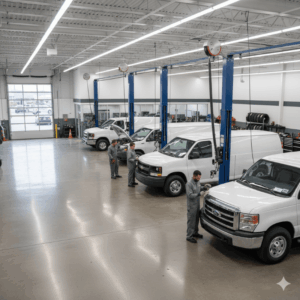
Light- and medium-duty commercial vehicles, service vans, pickups, sedans, and municipal units. Ask us about specialty equipment.
Do you provide detailing for fleets?
Yes. Detailing helps maintain brand image and driver satisfaction while making inspections easier by revealing new damage clearly.
How do I start a fleet account?
Reach out via our Contact page or call us to set up your fleet profile, billing preferences, and service cadence.
Get Started
Keep your fleet earning—not waiting. Visit our Fleet Program Services, review all Services, or Contact Us to schedule an evaluation.
Reference
For regulatory guidance on fleet inspection, repair, and maintenance, see the FMCSA eCFR Part 396.
Published November 2025