Winter driving tips for Minnesota roads that deal with snow and ice,  poor road conditions, tailgaters etc. Whether you are a new driver or have years in the drivers seat, Coon Rapid Collision offers practical tips to help you get through winter months safely. But if you do get in an unavoidable situation, leaving your vehicle looking less than prime, Coon Rapids Collision is here to make your car good as new again, and get you back on the road fast!

Winter Driving Safety Checklist: Because “I Meant to Brake” Isn’t a Plan

 A winter driving safety checklist gives drivers a realistic plan for snow, ice, and unpredictable Minnesota roads. This guide blends practical safety advice with a little humor to help new and experienced drivers prepare their vehicles, adjust driving habits, and avoid common winter mistakes. If winter still wins a round, our Services and quick Contact options make recovery easier.

5-Star CarWise Review from Daschel

“The CRC Team was great to work with and they kept me in the loop through the whole process. They listened to my questions and alleviated all of my concerns. The work they completed was top notch. Would go back without hesitation knowing I will be well taken care of. Thank you!”

Daschel, 5-Star CarWise Review

Winter Driving Safety Checklist: Before You Even Start the Car

  • Install winter tires or confirm tread depth is winter-ready.
  • Check battery health before cold mornings decide for you.
  • Fill washer fluid rated for subzero temperatures.
  • Replace worn wiper blades that smear instead of clear.
  • Keep your gas tank at least half full in extreme cold.

If your car struggles before winter begins, that struggle multiplies fast.

Driving Smarter: Less Speed, Fewer Pirouettes

  • Slow down well before intersections and curves.
  • Increase following distance like your coffee depends on it.
  • Accelerate gently to avoid wheel spin and regret.
  • Brake early and smoothly. Panic braking invites chaos.
  • Skip cruise control. Winter roads hate automation.

When Things Slide (And They Will)

If your vehicle skids, stay calm and ease off the accelerator. Steer gently toward your intended path. Overcorrecting turns small slides into dramatic stories.

Parking Lot Survival: Where Confidence Goes to Test Itself
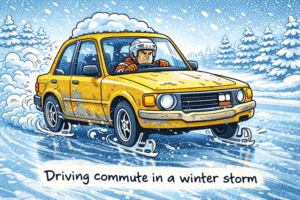
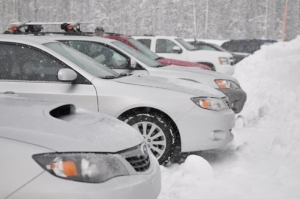
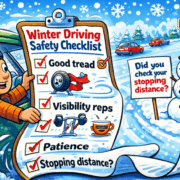
cartoon depicting Winter driving in an ice storm

  • Drive at walking speed near storefronts and pedestrians.
  • Brake before turning into parking spaces.
  • Watch for black ice near drains and snow piles.
  • Back out slowly and re-check blind spots.
  • Give snowplows heroic amounts of space.

Parking lots are deceptively dangerous. Treat them with respect.

Your Winter Emergency Kit (Non-Negotiable)

  • Ice scraper, snow brush, and small shovel.
  • Warm gloves, hat, blanket, and hand warmers.
  • Water, snacks, flashlight, and phone charger.
  • Jumper cables and traction aid.
 

FAQs: Winter Driving Safety Checklist

What is the most important item on a winter driving safety checklist?

Proper tires and slower speeds reduce most winter driving risks.

How much following distance should I allow in winter?

At least double your normal distance, more on ice.

Do all-wheel drive vehicles stop faster in snow?

No. All vehicles rely on tires and traction to stop.

Should I pump the brakes on ice?

No. With ABS, apply firm pressure and steer.

Is black ice really that dangerous?

Yes. It is nearly invisible and offers very little traction.

What should new drivers practice before winter storms?

Gentle starts, controlled stops, and slow turns in empty lots.

Who should I call after a winter accident?

Coon Rapids Collision can guide repairs and next steps.

Trusted Winter Safety Resource

For additional guidance, visit the National Highway Traffic Safety Administration Winter Driving Tips.
Need help after winter roads fight back? Visit our Contact page or explore our Services.

If Winter Wins a Round

Move to safety, check for injuries, and document damage. When repairs are needed, our auto body services restore safety and appearance. You can contact our team for guidance anytime.

Coon Rapids Collision Logo

Published January 2026


Winter Driving Safety for Minnesotans: Don’t Let Your Car Audition for Ice Capades

Winter driving tips for new drivers help prevent surprise spin moves and parking lot pirouettes. This guide shares Minnesota-ready preparation, smooth driving techniques, skid recovery, parking lot safety, and what to pack. We add humor, but the safety is serious. If a fender bender still happens, our Services and Contact pages make next steps easy.

5-Star Review: Real Results, Zero Drama

“This was a terrific experience working with them.. They were very professional and they got the work done when they said they would. They detailed the car and it looked wonderful when I picked it up.”

Connie, 5-Star CarWise Review

Pre-Trip Prep: The Un-Glamorous Magic

  • Use winter tires for better cold grip and shorter stops.
  • Check battery health before the first deep freeze hits.
  • Top washer fluid with low-temp ratings for clear vision.
  • Replace tired wipers. Your eyes will thank you later.
  • Keep at least a quarter tank. Fuel lines dislike frostbite.

Winter driving tips for new drivers: Smooth Is Fast

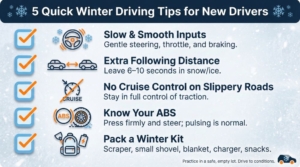
  • Use gentle throttle, braking, and steering on slick roads.
  • Double your following distance. Triple it during snow bursts.
  • Skip cruise control on any questionable surface.
  • Look far ahead. Aim your eyes where you want to go.
  • Expect bridges and shadows to hide black ice patches.

Skid Recovery: Exit Stage Left, Not Spin Center

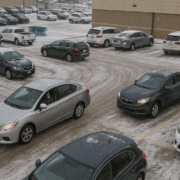
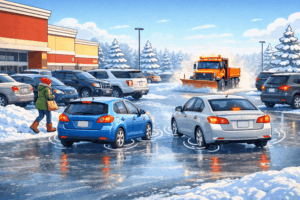
Playful winter parking-lot scene with cars ‘tip-toeing’ on ice...

Stay calm and lift off the throttle smoothly. Avoid slamming the brakes. Steer toward your intended path with small corrections. With ABS, press firmly and steer. The pedal pulsing is normal and helpful.

Visibility: See and Be Seen

  • Clear the roof and hood to prevent snow slides.
  • Defrost glass fully before moving the vehicle.
  • Use headlights in snowfall, dawn, and dusk.
  • Clean cameras and sensors. ADAS needs clear eyes.

Parking Lots: Where Ballerinas Are Bumpers

  • Choose pull-through spaces when possible.
  • Creep near storefronts and crosswalks. People slip.
  • Brake before turning into the space, not during.
  • Back out slowly, stop, and re-scan twice.
  • Give plows comically large space. They earn it.

Emergency Kit: Minnesota’s Winter Backpack

  • Ice scraper, brush, small shovel, and traction aid.
  • Warm gloves, blanket, hat, and hand warmers.
  • Water, snacks, flashlight, and phone charger.
  • Jumper cables and basic first-aid items.

Winter driving tips for new drivers: Confidence Builders

  • Practice gentle starts and stops in an empty lot.
  • Plan more time. Snow laughs at tight schedules.
  • Delay nonessential trips during active storms.
  • Share your route and arrival time with family.

FAQs: Winter Driving Tips for New Drivers

Frequently Asked Questions - FAQ's

How slow is slow enough on ice and snow?

Match speed to conditions. Drive slower than posted limits. Increase following distance significantly.

Do I really need winter tires?

Yes for best safety. Winter tires grip better in cold and shorten stopping distances.

What should I do if I hit black ice?

Ease off the throttle and keep the wheel straight. Steer gently as traction returns.

Is cruise control safe on slick roads?

No. Control the throttle yourself to manage traction and weight transfer.

How do I brake with ABS on ice?

Press firmly and steer. Expect pedal pulsing. Let ABS manage wheel lockup.

What goes in a basic winter kit?

Scraper, brush, small shovel, traction aid, warm gear, snacks, water, light, charger.

Should new drivers practice winter maneuvers?

Yes. Use an empty lot. Practice starts, controlled stops, and slow turns.

Who can repair damage after a winter mishap?

Coon Rapids Collision can help. See our Services or Contact us.

Reference

See NHTSA Winter Driving Tips for additional federal guidance.

After an Oops: We Make It Simple

Move to safety and check everyone. Document the scene. Then visit our Services page for collision repair, glass, refinishing, and calibration support. Need fast help now? Contact our team and we will guide next steps.

Coon Rapids Collision Logo

Published January 2026

Avoiding Winter Parking Lot Fender Benders

Summary: Winter driving tips for new drivers include slow, smooth inputs and strong awareness in parking lots. This guide explains how to scan for black ice, manage blind spots, and interact safely with pedestrians and snowplows. It also covers backing techniques, emergency kits, and post-incident steps. If you need collision, calibration, glass, or refinishing work, see our Services or Contact us for help.

5-Star Experience from a Local Driver 

Repair Quality
“The service was courteous and professional. Roxanne and Mel were friendly and knowledgeable. Workmanship was excellent! I have no complaints or objections whatsoever. Two thumbs up for CRC! If and when the time comes I will be a repeat customer.”

Gary (5-Star CarWise Review)

Why Parking Lots Are Tricky in Winter

Parking Lot Driving Safety

  • Freeze-thaw cycles create black ice in shaded areas.
  • Plowed snow piles block sightlines and shrink lanes.
  • Pedestrians slip, fall, and move unpredictably.
  • Salt ridges reduce traction when turning or braking.
  • Back-up cameras get dirty and lose clarity fast.

Winter driving tips for new drivers: Parking lots at a glance

  • Slow to a crawl near storefronts and crosswalks.
  • Cover the brake and keep steering inputs gentle.
  • Scan for pedestrians behind parked SUVs and vans.
  • Avoid cruise control on any slippery surface.
  • Use headlights in snow or low light for visibility.

Backing and Low-Speed Maneuvers

  • Choose pull-through spaces when possible.
  • Check mirrors, camera, and then turn to look back.
  • Back out slowly and pause to re-scan for walkers.
  • Sound the horn briefly if visibility is blocked.
  • Keep windows, sensors, and cameras clean and clear.

Finding and Keeping Traction

  • Start gently; avoid wheelspin on packed snow.
  • Brake early and in a straight line if possible.
  • With ABS, press firmly and steer; pulsing is normal.
  • Avoid painted arrows and metal grates when icy.
  • Expect ice near drains, loading zones, and cart corrals.

Sharing Space with Snowplows and Crews

  • Give plows a wide berth and never pass closely.
  • Expect windrows that can shift your vehicle.
  • Watch for equipment reversing with limited visibility.
  • Yield; operators may not see you immediately.

Winter driving tips for new drivers: Confidence builders

  • Practice gentle starts and stops in an empty lot.
  • Keep at least half a tank in cold conditions.
  • Carry a compact shovel and traction aid.
  • Store gloves, blanket, flashlight, and phone charger.
  • Delay nonessential trips during active storms.

After a Fender Bender

Move to a safe area if possible and check for injuries. Document the scene, exchange information, and contact help. We handle diagnostics, ADAS calibration, glass, and refinishing. View our Services or Contact our team.

FAQs: Winter parking lot safety tips

Frequently Asked Questions - FAQ's

How fast should I drive in winter parking lots?

Drive at a walking pace when visibility or traction is poor. Adjust speed to conditions and pedestrian activity.

How do I avoid sliding while turning into a space?

Brake before turning, then steer smoothly. Keep speed low and avoid abrupt inputs on slick surfaces.

What should I do if my wheels spin on packed snow?

Ease off the throttle. Rock gently if allowed, or apply minimal throttle until traction returns.

Do winter tires help in parking lots?

Yes. Winter compounds and tread improve low-speed grip and shorten stopping distances on snow and ice.

How can I back out safely with tall vehicles around me?

Creep backward, stop, and re-scan often. Use mirrors and camera, then look over your shoulder to confirm.

Should I pass a plow in a parking lot?

No. Give plows space. Wait until they finish the lane or wave you through.

What items belong in a simple winter kit?

Scraper, brush, small shovel, traction aid, blanket, gloves, snacks, water, and a phone charger.

When should new drivers practice winter maneuvers?

Practice in an empty lot during daylight. Try gentle starts, controlled stops, and low-speed turns.

Is cruise control safe in winter lots?

No. Keep full control of throttle to maintain traction.

Who fixes damage after a winter parking mishap?

We do. Schedule collision, glass, or calibration work on our Services page or Contact us.

Reference

See NHTSA: Winter Driving Tips and NSC: Parking Lot Safety for additional guidance.


Need help after a winter mishap? Visit our Contact page or see all Services.

Coon Rapids Collision Logo

Published December 2025


Winter Driving Tips for New Drivers

Summary: Winter driving tips for new drivers can dramatically improve safety and confidence in snow and ice. This guide covers how to prepare your car, how to steer, accelerate, and brake smoothly, when to slow down, how to handle skids, what to pack in a winter emergency kit, and when it’s safer to delay a trip. If a collision occurs, our auto body services and easy contact options help you get back on the road quickly.

Prepare Your Vehicle Before You Go

New Driver Winter Driving Tips

  • Tires: Use winter tires for best grip below ~45°F. Check tread depth and tire pressure (cold weather lowers PSI).
  • Battery & fluids: Cold reduces battery output. Test the battery, keep gas at least ¼ full, and top off washer fluid rated for low temps.
  • Wipers & lights: Replace worn blades, clear all windows, mirrors, headlights, and taillights before driving.
  • Emergency kit: Pack a scraper/brush, small shovel, traction aid (sand/kitty litter), jumper cables, flashlight, blanket, warm gloves/hat, water/snacks, and a phone charger.

Smart Techniques on Snow and Ice

  • Slow, smooth inputs: Gentle acceleration, steering, and braking help maintain traction. Avoid cruise control on slippery roads.
  • Leave extra space: Increase following distance so you can stop without sudden braking.
  • Look where you want to go: Keep eyes up and scan far ahead for icy patches, bridges, and shaded areas that refreeze first.
  • Know your brakes: If your car has ABS, press the brake firmly and steer; the system will pulse to prevent wheel lockup.
  • Plow etiquette: Give snowplows a wide berth and avoid passing; conditions are often worse in front of them.

If You Start to Skid

Stay calm, ease off the accelerator, and avoid slamming the brakes. Keep your eyes on the open path and gently steer in the direction you want the front of the car to go. If you overcorrect, straighten the wheel smoothly.

Maximize Visibility

New Driver Winter Driving

Defrost completely before moving, clear snow from the roof (to prevent it sliding onto the windshield or onto drivers behind you), and run headlights anytime precipitation, dusk, or poor visibility is present.

Decide Whether to Go

If conditions are severe, delay nonessential trips and practice in an empty lot to get comfortable with braking and turning on snow. Always tell someone your route and expected arrival time.

If an Accident Happens

Your safety comes first—move to a safe spot if possible and call for help. For body repairs, calibrations, glass, and more, see our Services. If you need to reach us quickly, contact our team and we’ll guide next steps.

Winter Driving Tips for New Drivers — FAQs

Frequently Asked Questions - FAQ's

What speed should I drive on snowy or icy roads?

Drive slower than posted limits and match your speed to conditions. The slicker the surface and the worse the visibility, the more you should reduce speed.

How much following distance do I need in winter?

Leave significantly more space than usual—multiple car lengths—to account for longer stopping distances and unexpected slides.

Do I need winter tires or will all-season tires work?

All-season tires can be acceptable for light conditions, but dedicated winter tires offer superior cold-weather grip and shorter stopping distances on snow and ice.

What should I do if my car has ABS?

Press the brake pedal firmly and steer where you want to go. You may feel pulsing—that’s normal and helps prevent wheel lockup.

What goes in a winter emergency kit for new drivers?

Ice scraper/brush, small shovel, traction aid (sand/kitty litter), jumper cables, flashlight, blanket, warm clothing, water/snacks, phone charger, and basic first-aid items.

How do I handle black ice?

Assume shaded bridges/overpasses can hide black ice. Keep inputs smooth, avoid sudden braking or steering, and gently correct if the car begins to slide.

Is it safe to use cruise control on slippery roads?

No. Keep cruise control off so you can modulate throttle and maintain traction.

How should I drive near snowplows?

Give plows extra space, be patient, and avoid passing. Conditions are usually worse ahead of the plow, and visibility can be limited in snow clouds.

Should new drivers practice winter maneuvers?

Yes—practice gentle braking, turning, and starting in an empty, snow-covered lot to build confidence and feel how your vehicle responds.

Who can help with body repairs after a winter incident?

Coon Rapids Collision offers collision repair, paint, PDR, glass, ADAS calibration, and more. Visit Services or Contact us to get started.

Local Partners to Keep You Moving

  • Towing: Coordinated towing through Hwy 10 Towing.
  • Mechanical repairs: Rapid, high-quality mechanical service with the veteran-owned McCoy Auto Repair.

Questions or need help after a fender bender? Visit our Contact page or see all Services.

Coon Rapids Collision Logo

Published December 2025

Reference

Comprehensive seasonal guidance: NHTSA Winter Driving Tips.